
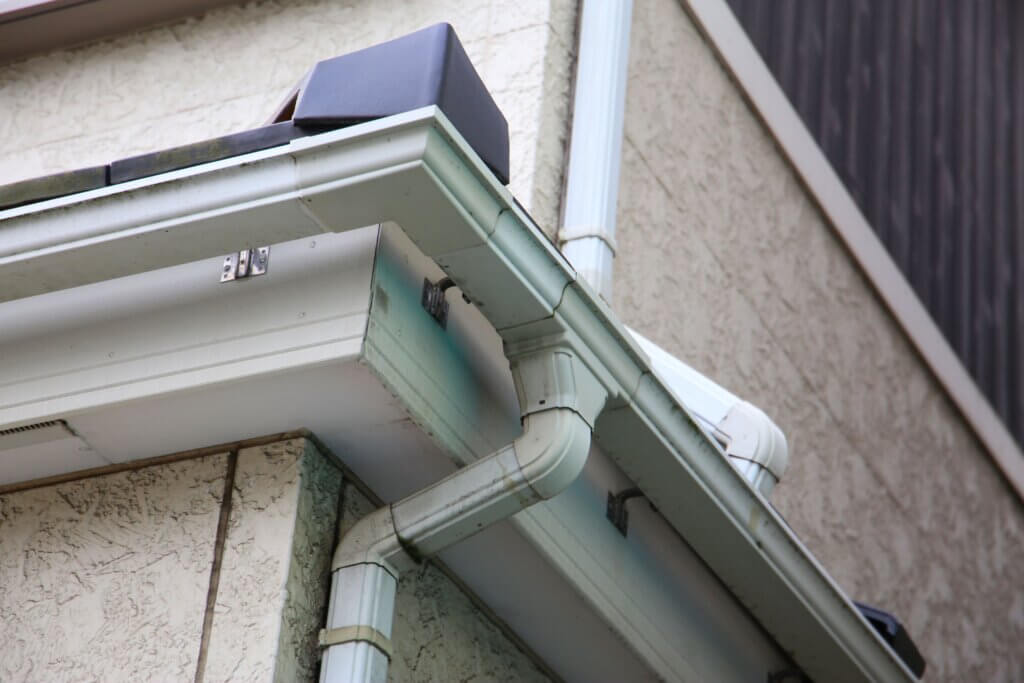
Oversized gutters and downspout systems ruin a home’s rotting fascia board in Snohomish County when installers mount heavy 6-inch aluminum channels directly onto damp, decayed timber without inspecting the wood first. Autumn downpours fill large gutters with hundreds of pounds of water, pulling rusted fasteners out and tearing rotten trim off the roofline.
Upgrading your home with oversized aluminum gutters can actually trigger a structural collapse along your roofline during the next severe atmospheric river storm.
You might think installing larger water channels offers an easy solution for overflowing rainwater across your property. But when you attach heavy, high-capacity troughs to aging wooden trim, you often set the stage for severe structural failure.
Your roofline endures relentless moisture throughout Western Washington winters, creating ideal conditions for fungal wood rot. Persistent rain eventually softens external wooden trim hidden behind metal gutter channels.
Let’s dive into how oversized gutters and downspout systems can cause more harm than good.
Continuous rain across Puget Sound keeps exterior wooden trim damp for months at a time.
Softwood fascia boards absorb moisture through unsealed back edges, joint gaps, and nail penetrations. As fungus takes hold inside the wood grain, timber fibers lose their structural density long before visible crumbling shows along painted surfaces.
Water weighs approximately 8.34 pounds per gallon, turning open gutter channels into heavy hanging reservoirs during heavy downpours. A standard 6-inch aluminum trough holds nearly double the water volume of an older 5-inch channel. When pine needles and autumn leaves clog your downspout openings, hundreds of pounds of standing water exert intense downward leverage on your mounting brackets.
Wind gusts bouncing off roof slopes twist heavy, water-filled channels side to side. This mechanical leverage forces hidden mounting screws to pull straight out of soft, decay-weakened timber.
Once the top edge separates, water flows behind the trough, accelerating rot across rafter tails and interior soffit framing.
Comparing standard 5-inch channels against high-capacity 6-inch setups highlights major differences in water capacity, total weight load, and structural demands on underlying wood.
Upgrading to larger systems without verifying timber strength increases the risk of complete roofline detachment. The table below gives you a solid performance comparison for 5-inch vs. 6-inch setups:
| System Characteristic | Standard 5-Inch K-Style Setup | High-Capacity 6-Inch Seamless Setup |
| Water Capacity Per Foot | ~1.2 Gallons (~10 lbs filled) | ~2.0 Gallons (~16.7 lbs filled) |
| Full 40-Foot Run Weight | ~400 lbs (water plus metal) | ~670+ lbs (water plus metal) |
| Required Wood Integrity | Moderate wood density needed | Maximum structural wood density required |
| Risk on Decayed Fascia | Moderate sagging and pulling | Catastrophic board detachment and collapse |
| Ideal Property Application | Smaller, steep-pitched rooflines | Large roof areas, heavy water runoff zones |
In conclusion, adding extra weight to compromised wood causes rapid fastener displacement during heavy rainfall. High-capacity channels require dense, healthy framing backing every mounting bracket.
Choosing proper sizes for gutters and downspout systems protects both your roof drainage and underlying framing.
Open gutter channels invite evergreen needles, deciduous leaves, and moss clumps that quickly choke off downspout outlets. Trapped debris creates dense organic dams that hold standing water along the back edge of your aluminum trough.
Unscreened channels trap debris and accelerate wood decay because:
Once rot consumes the core of your wooden fascia, internal mounting screws lose their grip entirely. The entire metal run starts to pitch forward, creating unsightly gaps where water streams directly onto your siding and foundation.
To stop decay, you must remove clogged debris and restore sound structural backing.
Solving roofline water issues requires a comprehensive strategy that addresses structural wood health alongside high-capacity water control. True roof drainage solutions start with a thorough evaluation of your rafter tails, soffit vents, and fascia framing before any new metal hangers get secured.
When technicians discover soft or delaminated wood, executing a complete rotten fascia board repair ensures your new metal channels stay firmly anchored for decades.
Replacing compromised pine boards with pressure-treated lumber or composite trim creates a permanent foundation capable of supporting heavy water loads. Installing heavy-duty drip edge flashings over new wood also prevents future water migration behind your gutters and downspout systems.
Pairing sound backing boards with a professional seamless gutter installation eliminates leaky seam joints that cause localized rot spots. Custom-fit aluminum channels formed on-site direct water efficiently to oversized downspouts positioned strategically around your home.
Investing in complete gutters and downspout systems prevents recurring repair cycles and preserves your home’s structural framing.
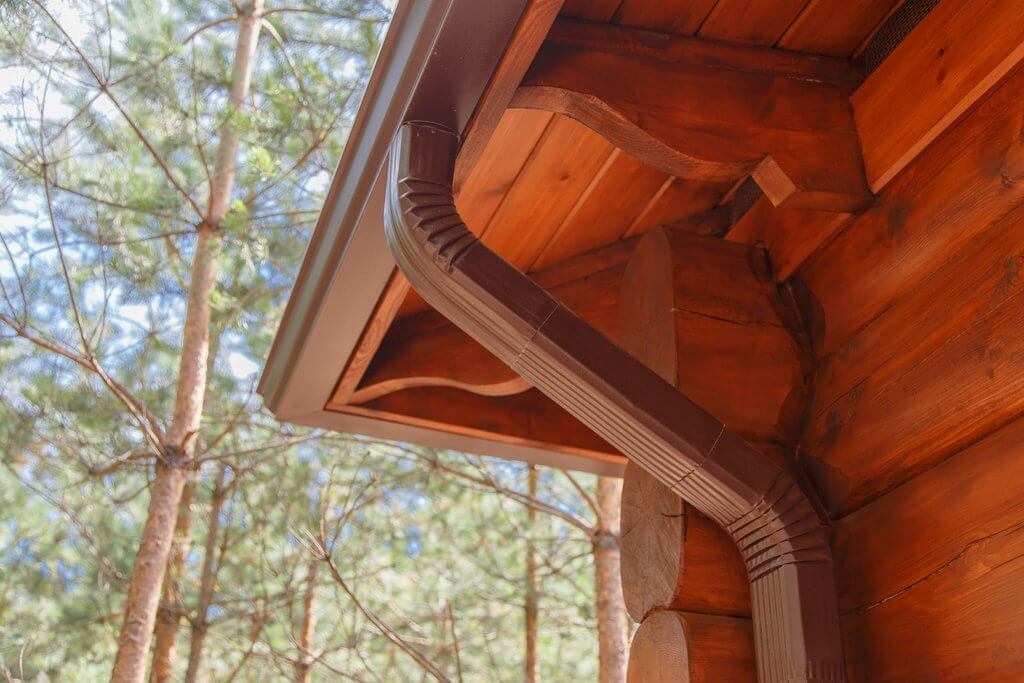
Even premium aluminum channels fail quickly if installers use improper fasteners or place mounting brackets too far apart. Achieving long-term performance demands precise calculation of slope pitch, bracket spacing, and fastener depth into structural framing:
Professional installers drive heavy stainless steel screws through the fascia board directly into solid rafter tails. Correct slope pitching ensures water moves rapidly toward downspout outlets before heavy volume accumulates.
Skilled installation methods turn heavy-duty materials into a reliable, long-lasting drainage system.
Evaluating underlying wood health before mounting high-capacity aluminum channels is key for lasting gutters and downspout systems.
Avoid quick-fix installations on soft trim to save thousands of dollars in structural timber repairs, siding damage, and premature gutter replacement cost expenses.
Investing in sound fascia backing and expert installation ensures your home stays dry, attractive, and fully protected through every winter storm.
<< BACK