
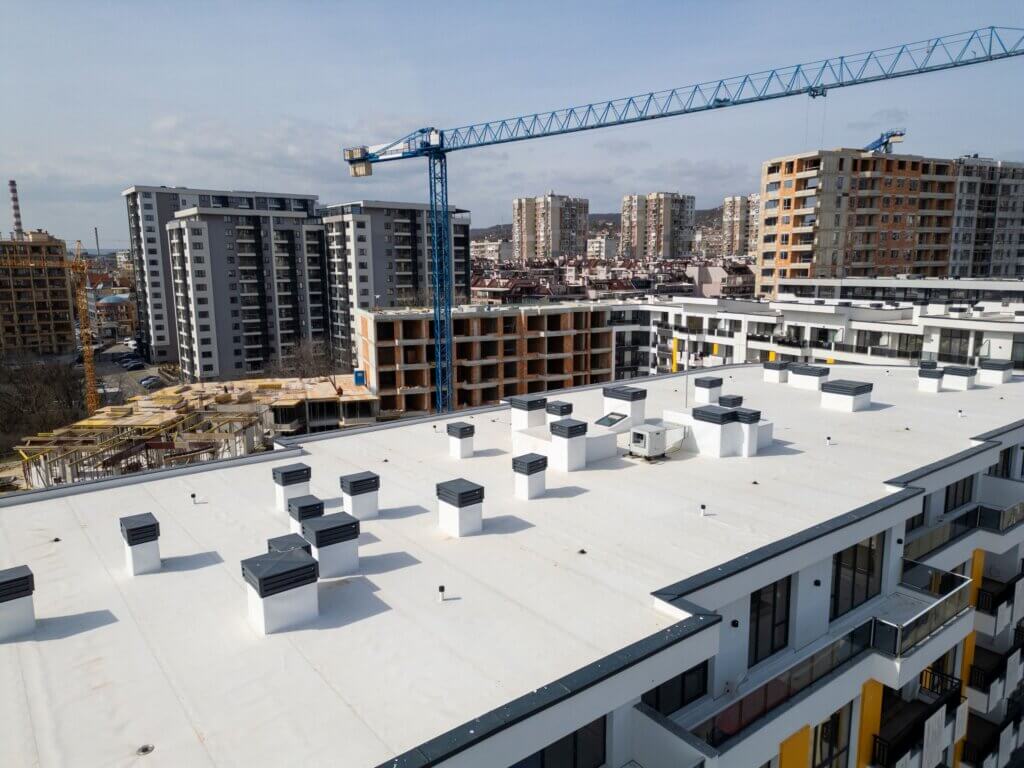
You should stop spraying acrylic coatings on commercial flat roofing systems in Snohomish County because fluid membranes trap underlying moisture, conceal hidden deck rot, and accelerate structural decay beneath persistent Pacific Northwest rainfall. Investing in complete retrofits using single-ply membranes or torch-down systems prevents repeated repairs and delivers vastly superior long-term cost comparisons for building owners.
Are you throwing good money away by slapping liquid band-aids over a failing commercial roof? You regularly encounter aggressive sales pitches touting fluid-applied elastomeric acrylic coatings as an easy, low-cost magic bullet. But what these quick fixes leave out is how our relentless humidity turns temporary sealants into ticking financial time bombs.
Covering an aging roof deck with a fluid membrane might hide surface stains for a single season, but it fails to address fundamental structural weaknesses beneath. In rainy communities like Edmonds, Everett, and Lynnwood, flat roof maintenance requires permanent waterproofing materials rather than cosmetic paint jobs.
Let’s dive into the hidden dangers of elastomeric overlays to help you protect your commercial flat roofing systems for decades.
Thick cloud cover combined with long, damp winter seasons creates an environment where liquid acrylic materials struggle to cure and maintain proper adhesion.
Acrylic compounds rely on warm, dry weather to form strong molecular bonds across flat surfaces. When cold atmospheric conditions and damp air hit during application, chemical curing fails, leading to chalking, bubbling, and premature peeling.
Constant standing water creates another severe challenge for liquid-applied coatings on commercial flat roofing systems. Our winter storms dump heavy precipitation that collects in low spots across older commercial flat roofing systems. While specialized membranes handle ponding water without breaking down, water-based acrylic layers soften and dissolve under prolonged submersion.
Biological growth poses a continuous threat across damp roof planes. Algae, moss, and lichens nest within tiny micro-fissures along liquid coatings, forcing the layer apart as organic roots expand.
Once these microscopic cracks open, water surges beneath the top barrier and attacks your underlying building structure.
Comparing fluid elastomeric layers with heavy-duty structural membranes highlights major differences in durability, water resistance, and overall value. Single-ply systems like heat-welded TPO roofing membrane installations and thick, granulated torch down roof repair materials provide continuous, impermeable barriers engineered specifically for wet climates. More on this in the table below:
| Roofing System Type | Expected Lifespan | Ponding Water Resistance | Seam Strength & Construction | Hidden Deck Rot Risk |
| Spray-On Acrylic Coatings | 3 to 7 years | Poor (blisters & breaks down) | Unreinforced fluid layer | Very High |
| Single-Ply TPO Roofing Membrane | 20 to 30+ years | Excellent (heat-welded seams) | Fused hot-air welds | Low (full deck tear-off/inspection) |
| Granulated Torch Down Membrane | 20 to 25+ years | Superior (modified asphalt) | Melted asphalt fused bonds | Low (full deck tear-off/inspection) |
Structural longevity of commercial flat roofing systems depends heavily on physical material weight and seam integrity. Modern single-ply membranes feature hot-air welded seams that are six times stronger than glued or liquid-applied joints, eliminating weak spots where water intrusion starts.
Choosing a robust structural retrofit protects your property against catastrophic seasonal failures.
Applying a non-breathable liquid coating over a damp flat roof seals pre-existing moisture directly inside your insulation layers and plywood decking. Trapped water vapor can’t escape through the top elastomeric skin, forcing dampness downward into your structural timber and interior ceiling spaces.
Liquid coatings trap moisture and accelerate hidden deck rot because:
Once rot spreads through underlying wood decks, simple patch repairs no longer solve the core problem. Replacing decayed framing members and rusted structural metal pan decks costs dramatically more than removing old roofing materials correctly during initial work.
Stopping invisible water damage requires stripping damaged layers down to healthy substrate wood.
Upgrading your commercial building with a dedicated TPO roofing membrane gives you an energy-efficient, puncture-resistant barrier built to handle heavy foot traffic and intense downpours. The bright white reflective surface keeps internal building temperatures stable during summer heatwaves while resisting algae spores, dirt buildup, and chemical exposure.
For low-slope sections needing rugged protection, granulated torch-down systems provide thick, multi-layer asphalt barriers that handle severe weather forces. Heavy modified bitumen sheets burnished directly onto primed fiberglass base sheets create impenetrable monolithic seals across every square foot.
Investments in complete membrane systems eliminate the frustrating cycle of temporary repairs and continuous liquid applications. Manufactured systems also carry comprehensive long-term warranties that give you complete financial predictability.
Choosing proven structural roofing products yields true peace of mind through every stormy winter season.
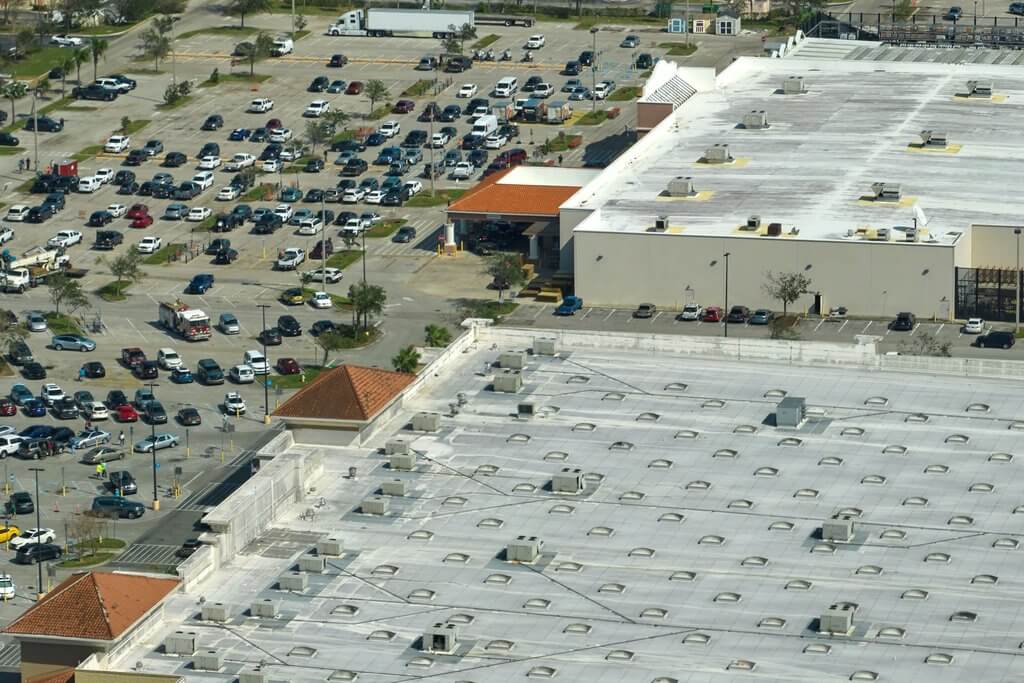
Even top-grade commercial flat roofing systems fail quickly if installers skip critical deck preparation steps or misuse heat-welding equipment. Professional installation demands meticulous detail work around mechanical curb flashings, drain sumps, and parapet wall terminations.
Professional composite installation dictates a roof’s lifespan because:
Experienced commercial crews carefully evaluate roof drainage pitches. They also install tapered insulation crickets and secure heavy-duty metal perimeter flashings. Flawless application transforms quality raw membranes into a seamless defense system.
Expert craftsmanship ensures your commercial building stays dry year after year.
Rejecting short-term liquid sprays in favor of complete structural membrane replacements is a must for protecting your commercial building. Avoiding cheap acrylic coatings saves thousands of dollars in hidden deck repairs, lost insulation efficiency, and emergency commercial roof leak repair service calls.
Investing in permanent TPO or torch-down systems secures your real estate assets, lowers long-term maintenance costs, and keeps your tenants dry through every storm.
<< BACK