
Stop Spraying Acrylic Coatings on Commercial Flat Roofing Systems
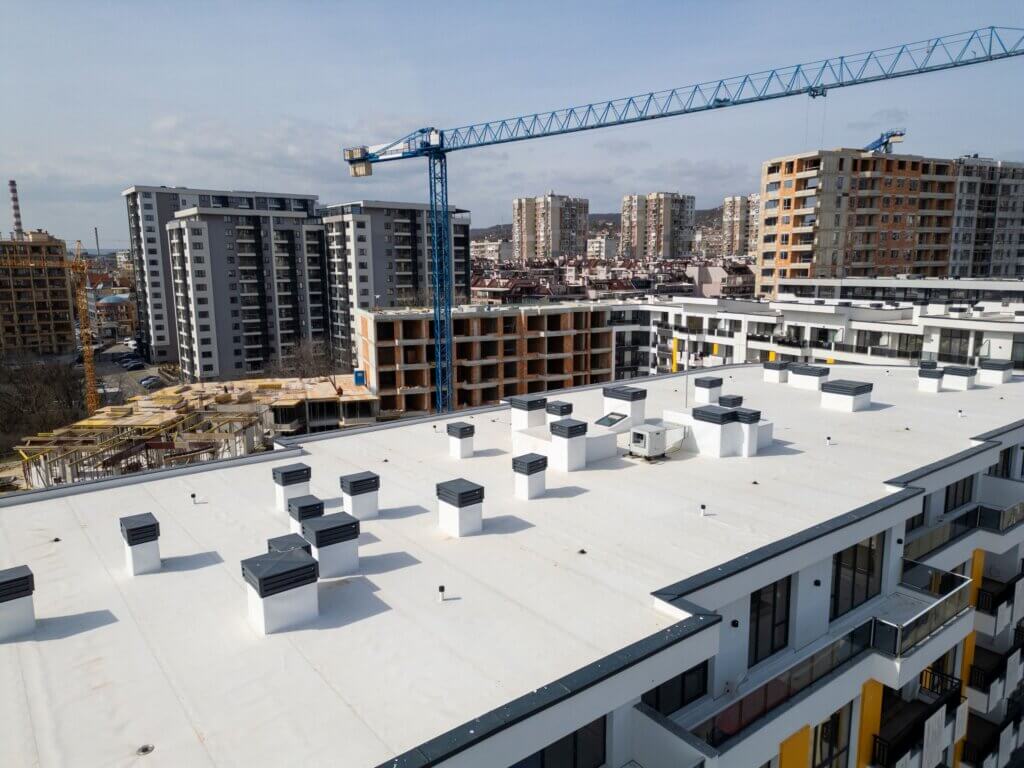
You should stop spraying acrylic coatings on commercial flat roofing systems in Snohomish County because fluid membranes trap underlying moisture, conceal hidden deck rot, and accelerate structural decay beneath persistent Pacific Northwest rainfall. Investing in complete retrofits using single-ply membranes or torch-down systems prevents repeated repairs and delivers vastly superior long-term cost comparisons for building owners. Are you throwing good money away by slapping liquid band-aids over a failing commercial roof? You regularly encounter aggressive sales pitches touting fluid-applied elastomeric acrylic coatings as an easy, low-cost magic bullet. But what these quick fixes leave out is how our relentless humidity...
TPO Roof Seam Welding and How It Delivers 6x The Strength of Glued Joints
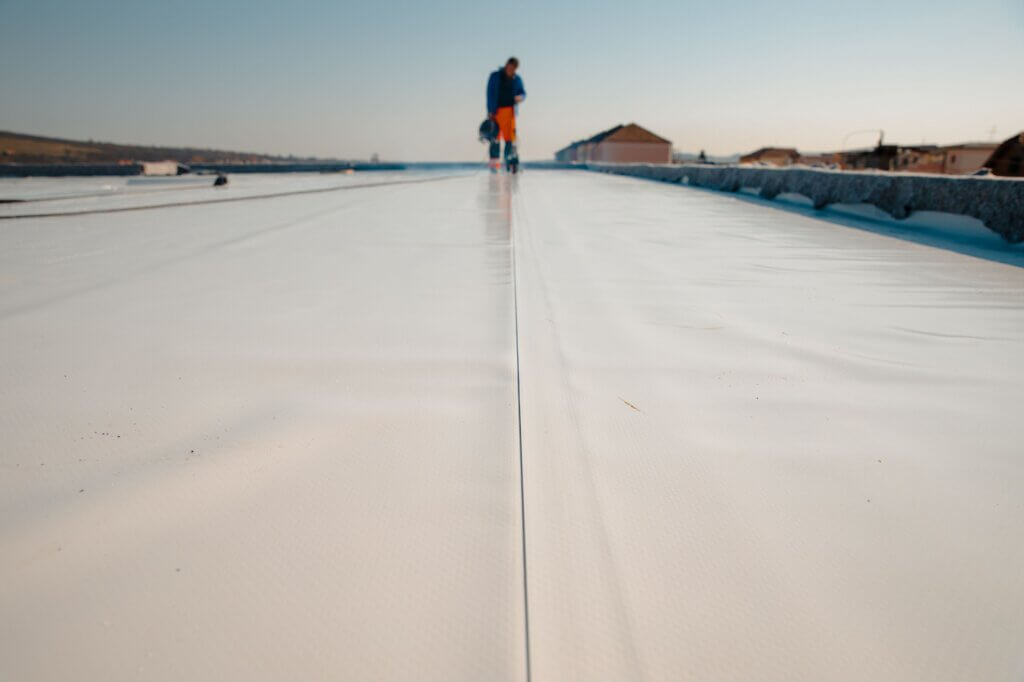
TPO roof seam welding is a thermal installation process where hot air melts overlapping thermoplastic olefin sheets together, fusing them into a single continuous layer. For Snohomish County commercial property owners, this hot-air welding creates seams offering 6x the strength of traditional adhesive glue and tape in wet climates, completely preventing standing water leaks. So many commercial building owners are watching their flat roofs fail long before the material warranty expires. Across Western Washington, low-slope roofs endure relentless rainfall, high humidity, and long stretches of overcast weather. Traditional installation methods that rely on liquid adhesive glue or seam tapes often...
Navigating Multi-Family Building Roofing Replacements Without Driving Away Tenants
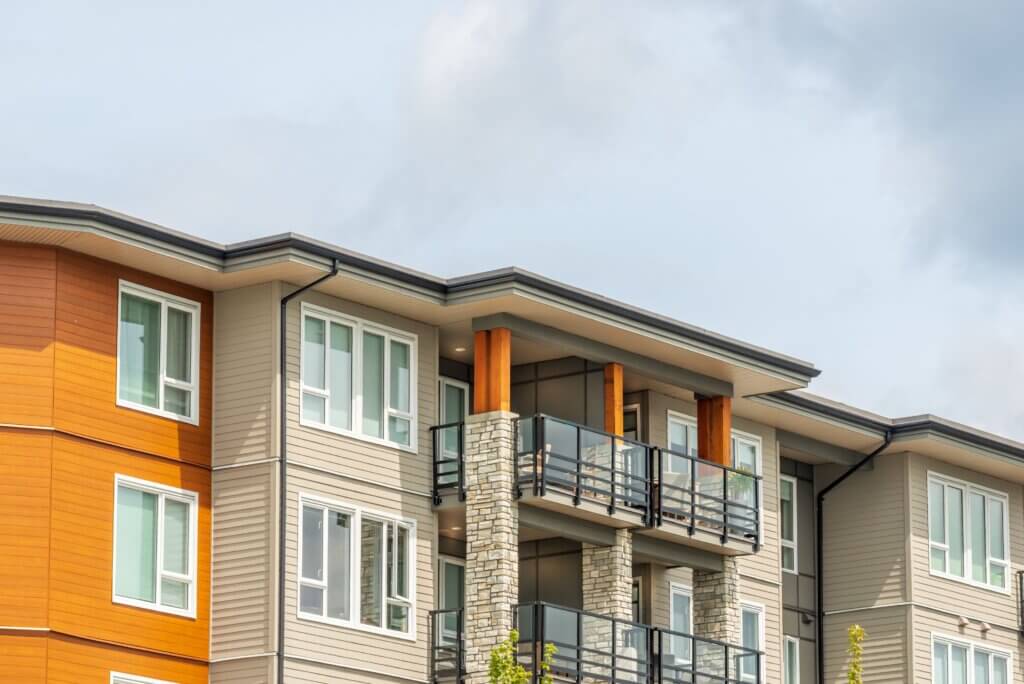
You navigate multi-family building roofing replacements in Snohomish County by establishing structured resident notification schedules, creating designated material staging zones, using protective tarping systems during tear-off logistics, and enforcing site safety rules. Managing these operational steps carefully keeps tenants satisfied, prevents lease non-renewals, and ensures your multi-family building roofing project finishes smoothly. Can a property manager orchestrate a massive roof overhaul across an occupied multi-family complex without triggering a wave of angry tenant complaints and broken leases? You face complex logistical hurdles whenever major structural repairs arise on multi-family properties throughout Snohomish County. The sheer volume of residents, shared parking...